
Most visitors give Genoa a day. It deserves a week. This is a city that was running a maritime empire while Venice was still a fishing village — a republic of bankers, admirals, and palace-builders whose ambition you can still read in the stone of every street. You are staying inside one of those palaces. The city that built it is outside your door.
Our concierge arranges private guided tours with local historians who know Genoa the way a sommelier knows wine — not just what to see, but why it matters and what story it tells. Tours last three to four hours, on foot, at a pace that allows for coffee stops and unexpected detours.
But the walk we recommend to guests discovering Genoa for the first time moves like this:
The caruggi.
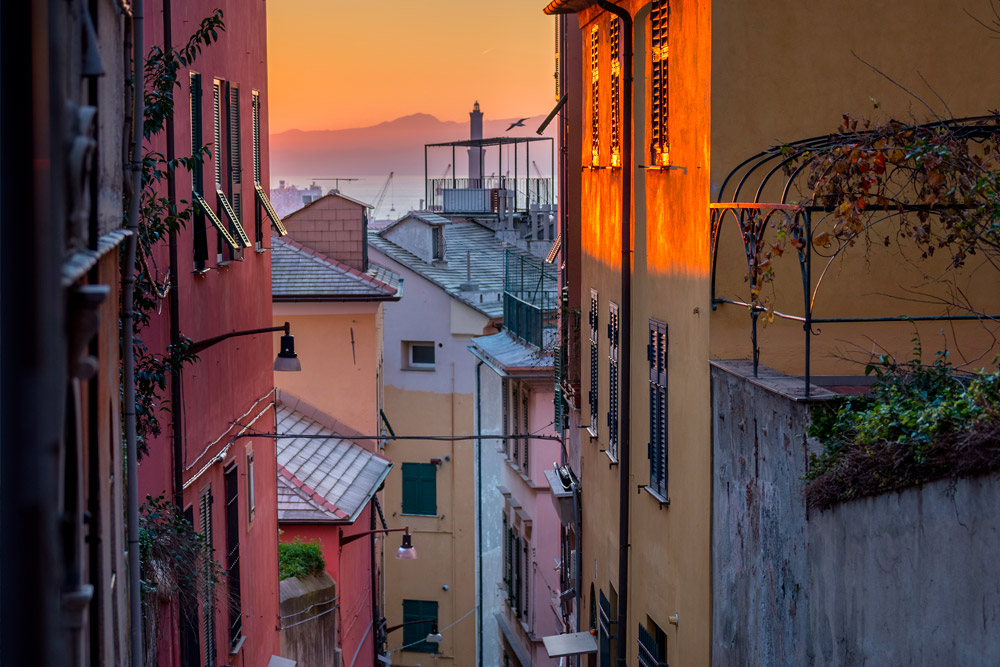
You start where you are — in the medieval heart of the city, the tangle of narrow streets that has barely changed since the twelfth century. Your guide knows which shop has been selling fried fish since 1871, which doorway hides a Romanesque cloister, and which corner smells of fresh focaccia at ten in the morning because the bakery behind the wall has been there longer than the wall itself.
The churches that Genoa hides in plain sight.
San Lorenzo — the striped Gothic cathedral — is the one everyone finds. But Genoa’s real treasures are the churches you walk past without knowing: the Santissima Annunziata del Vastato, whose austere stone exterior conceals a Baroque interior so gilded and frescoed it takes your breath away; San Donato, a Romanesque jewel with Flemish paintings that reveal Genoa’s forgotten connection to Bruges and Antwerp; and the Chiesa del Gesù, where Rubens himself left two paintings — not copies, not “school of,” Rubens.
The Rolli palaces.
Palazzo Durazzo is one of them. But Via Garibaldi — ten minutes on foot from your suite — holds a concentration of Renaissance palaces that UNESCO recognised as a World Heritage site. Your guide will take you inside Palazzo Rosso, Palazzo Bianco, and Palazzo Doria Tursi, where the civic collections include a Stradivarius violin, a Caravaggio, and letters written by Christopher Columbus. You will understand, standing in those halls, why Genoa called itself La Superba — and why the name was not vanity but fact.
Piazza De Ferrari and the Palazzo Ducale.
The square is the hinge between medieval Genoa and the nineteenth-century city. The Palazzo Ducale — where the Doges governed the Republic — sits on one side; the Carlo Felice opera house on the other. Your guide will walk you through the Galleria Mazzini, an iron-and-glass arcade from the 1870s that Genoa built to prove it could do what Milan did, and arguably did better.
Columbus and the old walls.
The walk ends at the Porta Soprana, the twelfth-century city gate, and the modest house beside it where Columbus is said to have been born. Whether he was actually born there is a matter of Genoese debate that has lasted five hundred years and shows no sign of resolution. Your guide will have an opinion.
The Porto Antico.
You finish where you started — at the harbour, two minutes from the palazzo. If you want, the Aquarium is here. If you don’t, an aperitivo in the Salone Durazzo is closer. Your guide will know which you need.
Rolli-only tours — a deep dive into the palace system that made Genoa the diplomatic capital of Renaissance Europe, including interiors not normally open to the public during Rolli Days.
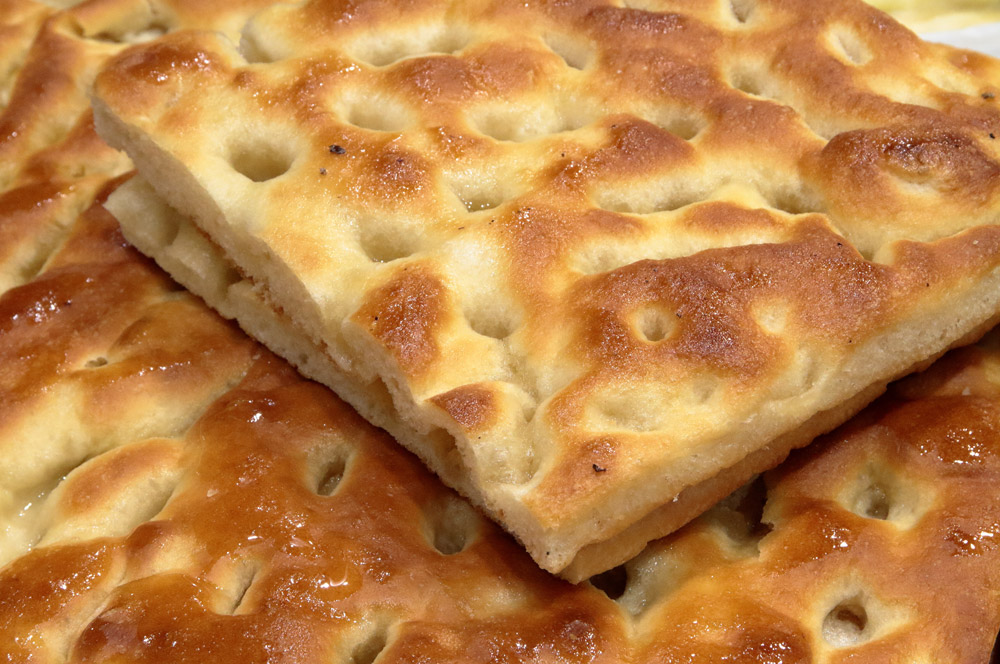
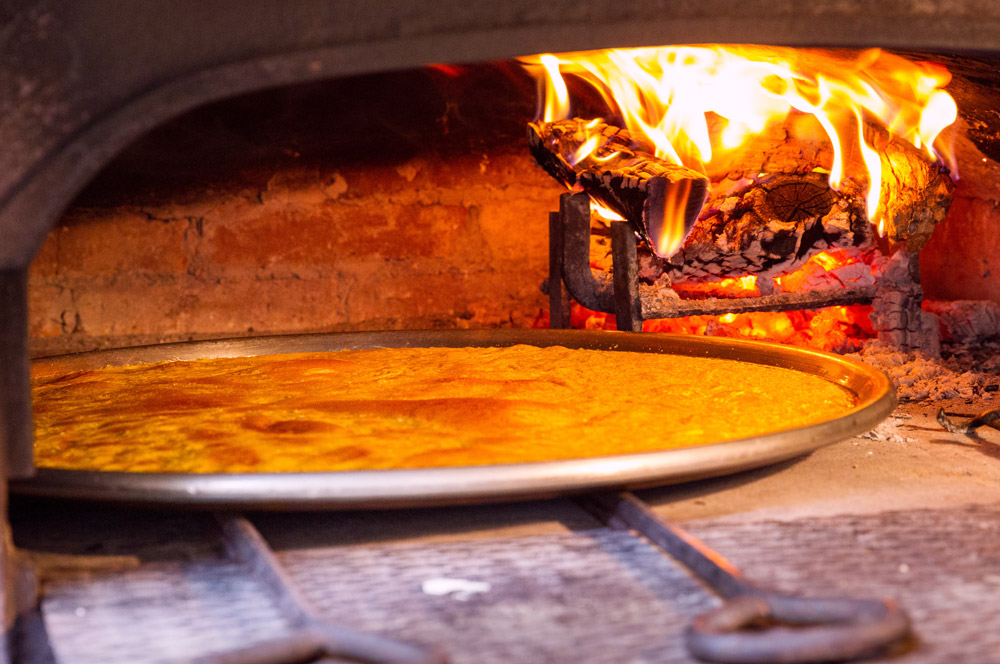
Food walks — three hours through the markets and botteghe of the centro storico, tasting pesto ground by hand, farinata from a wood oven, and focaccia di Recco that cracks when you break it. You will not need lunch afterwards.
Evening walks — Genoa at dusk, when the palaces are lit, the caruggi empty, and the city shows you its other face.
To arrange your tour, speak to our concierge or write to
info@palazzodurazzo.com.
Prenota il tuo soggiorno